Blog
IronAxis Technical Team
13 Aug 2026
views (
)
Zero Demurrage: How Pre-Arrival Customs Planning Is Transforming Colombia's Import Operations
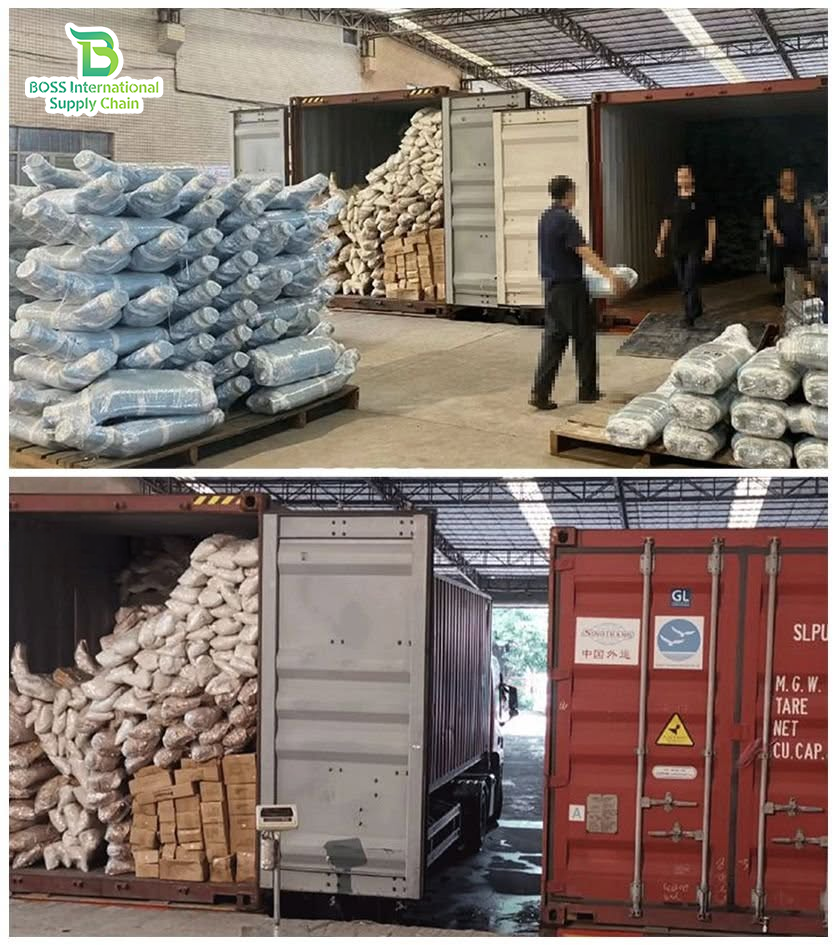
When cargo sits at port, every day costs money. A supply chain firm's approach to pre-clearance is changing the economics for Colombian importers.
For importers bringing goods into Colombia through ports like Buenaventura or Cartagena, few experiences are as costly — or as preventable — as cargo sitting idle at the terminal. Demurrage fees accumulate daily. Supply chains stall. And the root cause is almost always the same: customs clearance that begins only after the vessel has already arrived.
Colombia's customs framework, administered by the Dirección de Impuestos y Aduanas Nacionales (DIAN), is detailed and compliance-intensive. Documentation must be precise. Tariff classifications must be accurate. Import permits must be in order before goods reach the port. For importers unfamiliar with these requirements — or those relying on service providers who treat customs as an afterthought — the consequences are predictable and expensive.
A different approach is emerging, one that treats customs clearance not as a final step but as a process that begins weeks before the cargo arrives.
The Pre-Arrival Model
BOSS International Supply Chain Co., Limited, a supply chain firm operating between Guangzhou and Bogotá, has built part of its service model around what it calls "pre-arrival customs preparation." The concept is straightforward: rather than waiting for goods to reach a Colombian port and then initiating the clearance process, the company begins preparing all documentation, classifications, and compliance requirements while the cargo is still in transit.
This approach requires deep familiarity with both Chinese export procedures and Colombian import regulations — a combination that is rarer than one might expect. Most logistics providers specialize in one market or the other. Few operate with genuine expertise on both sides.
BOSS International's dual presence — a team in Guangzhou managing the origin-side operations and a Colombian subsidiary in Bogotá handling destination-side compliance — allows it to bridge this gap. The company's trilingual staff (Mandarin, English, Spanish) ensures that information flows seamlessly between Chinese factories, shipping lines, Colombian customs brokers, and the end importer.
Case Study: Peak Season Without Penalties
The value of this approach was demonstrated during a recent peak shipping season. A major Colombian import trading company had a recurring problem: during periods of high demand, its shipments frequently arrived at port only to face delays in customs clearance. The reasons varied — incomplete documentation, tariff classification disputes, missing permits — but the result was always the same: mounting demurrage charges and disrupted supply timelines.
The company engaged BOSS International to restructure its import process. The new approach involved several key changes. First, BOSS International's Guangzhou team verified all export documentation and product classifications before the cargo departed China, ensuring alignment with DIAN requirements. Second, the Bogotá team initiated the pre-clearance process while the goods were still at sea, submitting documentation and resolving potential issues in advance. Third, the company leveraged its contracted carrier capacity with major shipping lines — ONE, CMA, COSCO, Maersk, MSC — to ensure stable sailings and avoid the disruptions that spot-market volatility can cause.
The outcome was striking. The trading company achieved what it described as "zero demurrage fees" during a season when it had previously been paying penalties on a regular basis. Beyond the direct cost savings, the predictability of the new process allowed the company to plan its inventory and distribution with greater confidence.
Case Study: Rescuing a Stalled Shipment
In another instance, a Colombian importer found itself in a difficult position. A large shipment of consumer goods had arrived at port under the management of a traditional freight provider, but poor communication between the parties and insufficient familiarity with local customs requirements had resulted in the cargo being held, with storage fees accumulating by the day.
The importer turned to BOSS International for a solution. The company stepped in, assessed the documentation status, identified the compliance gaps, and worked with the port authorities to resolve the hold. Once cleared, BOSS International arranged the final delivery to the importer's warehouse. The entire episode reinforced a lesson that many Colombian importers have learned the hard way: the cost of getting customs right the first time is far less than the cost of fixing it after the fact.
The Economics of Getting It Right
The math behind pre-arrival customs planning is compelling. A single day of port detention can cost hundreds or even thousands of dollars in fees, depending on the cargo type and volume. Multiply that by the number of shipments an active importer handles annually, and the savings from a well-executed pre-clearance process can be substantial.
For BOSS International's clients, the benefit extends beyond cost avoidance. Predictable clearance timelines enable better inventory management, more reliable delivery commitments to end customers, and reduced operational stress across the supply chain.
A Shift in Thinking
The broader significance of this approach lies in its underlying philosophy: treating the import process as a single, integrated operation rather than a series of disconnected steps. When customs clearance is planned from the moment of factory shipment — rather than treated as an afterthought upon port arrival — the entire equation changes.
For Colombian importers navigating the complexities of DIAN compliance and the operational realities of ports like Buenaventura and Cartagena, the message is clear. The most effective way to eliminate demurrage is not to react faster at the port, but to start the process weeks earlier, on the other side of the ocean.Visit www.bosslogistics.com


