Blog
IronAxis Technical Team
18 Sep 2026
views (
)
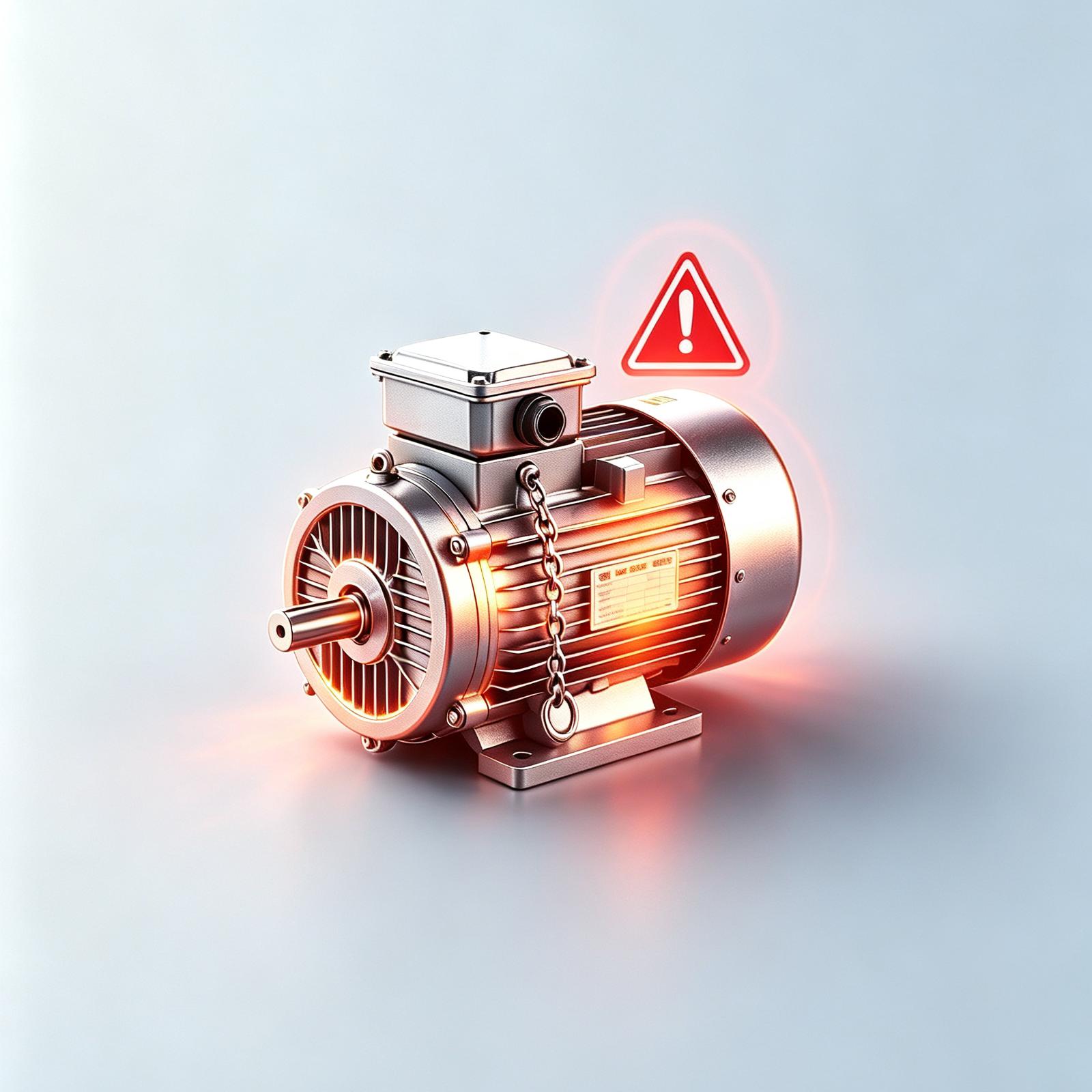
Common Causes of Overheating for Electric Hoist Motors
Electric hoist motors are designed to deliver high starting torque and dependable lifting performance. However, excessive heat can shorten insulation life, damage bearings, and eventually cause motor failure. Understanding the most common causes of overheating helps operators prevent downtime and improve lifting safety.
Overloading is one of the leading causes. When a hoist repeatedly lifts loads above its rated capacity, the motor draws excessive current and generates additional heat. Even loads within the rated limit can create problems if the hoist operates longer or more frequently than its specified duty cycle.
Voltage problems are another important factor. Low voltage forces the motor to draw more current, while phase imbalance in a three-phase supply causes uneven winding temperatures. Loose terminals, undersized cables, damaged contactors, and unstable power sources should therefore be checked during troubleshooting.
Frequent starts, stops, and reversing operations also increase thermal stress. Hoist motors require substantial current during acceleration, so excessive jogging can raise the temperature quickly. Operators should use smooth lifting practices and allow adequate cooling time between demanding cycles.
Poor ventilation often makes the situation worse. Dust, oil, or debris may block cooling passages, while a damaged fan or restricted installation space can prevent heat from escaping. Routine cleaning and inspection are especially important in foundries, workshops, warehouses, and outdoor environments.
Mechanical resistance can also overload the motor. Worn bearings, inadequate lubrication, a dragging brake, misaligned gears, or a jammed load chain forces the motor to work harder than intended. Unusual noise, vibration, slow lifting speed, or a hot brake housing should be investigated immediately.
Environmental conditions matter as well. High ambient temperatures, poor airflow, moisture, and corrosive dust can reduce the motor’s cooling capacity and insulation reliability.
Preventive maintenance should include load verification, current and voltage measurements, brake adjustment, lubrication, ventilation cleaning, and insulation testing. Selecting a hoist that matches the load, lifting height, operating frequency, and site conditions is equally important. Zhejiang Vertex International Trade Co., Ltd. supports customers with motors that are equipped with standard high-temperature-resistant pure copper wires, helping businesses reduce overheating risks and achieve safer, more consistent operation.
Zhejiang Vertex International Trade Co., Ltd. Parent Companies:
1. Zhejiang Boneng Lifting Technology Co., Ltd. (Former Name: Taizhou Boneng Lifting Machinery Equipment Co., Ltd.)
2. Sanmen Youbang Machinery Co., Ltd.